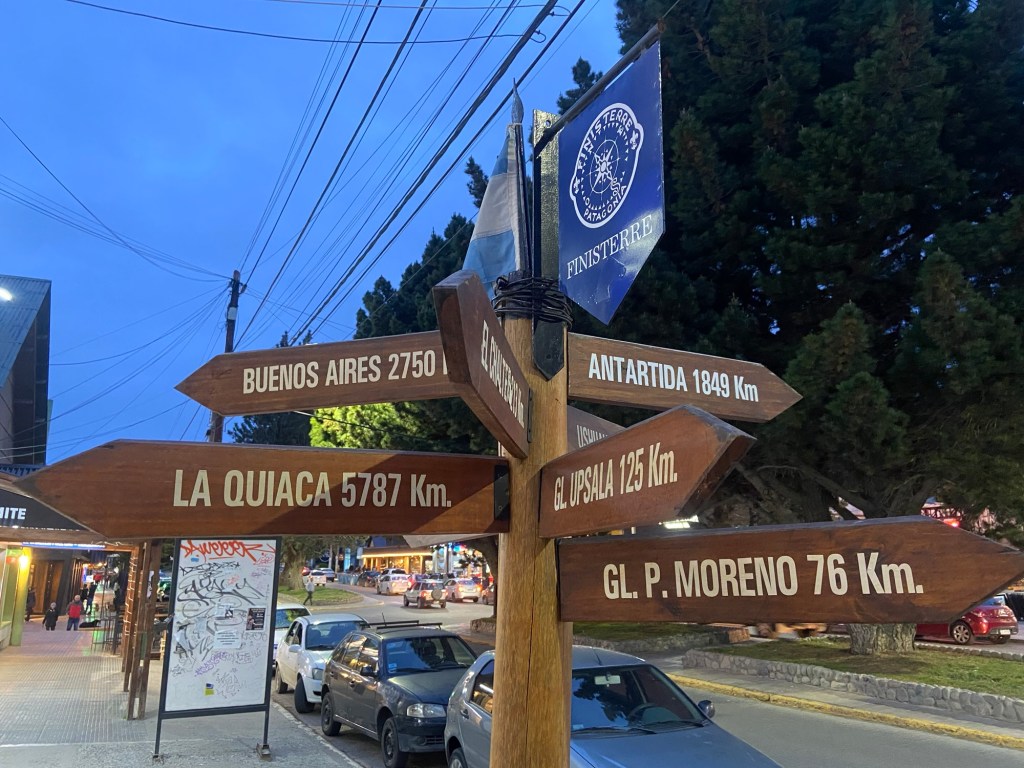
Few places conjure up the same sense of mystery and remoteness for me as Patagonia, the region in which we are currently spending a long weekend. We are now nearer to Antarctica than to Buenos Aires, and although we are at a similar latitude to London, albeit in a different hemisphere, there the similarity ends.
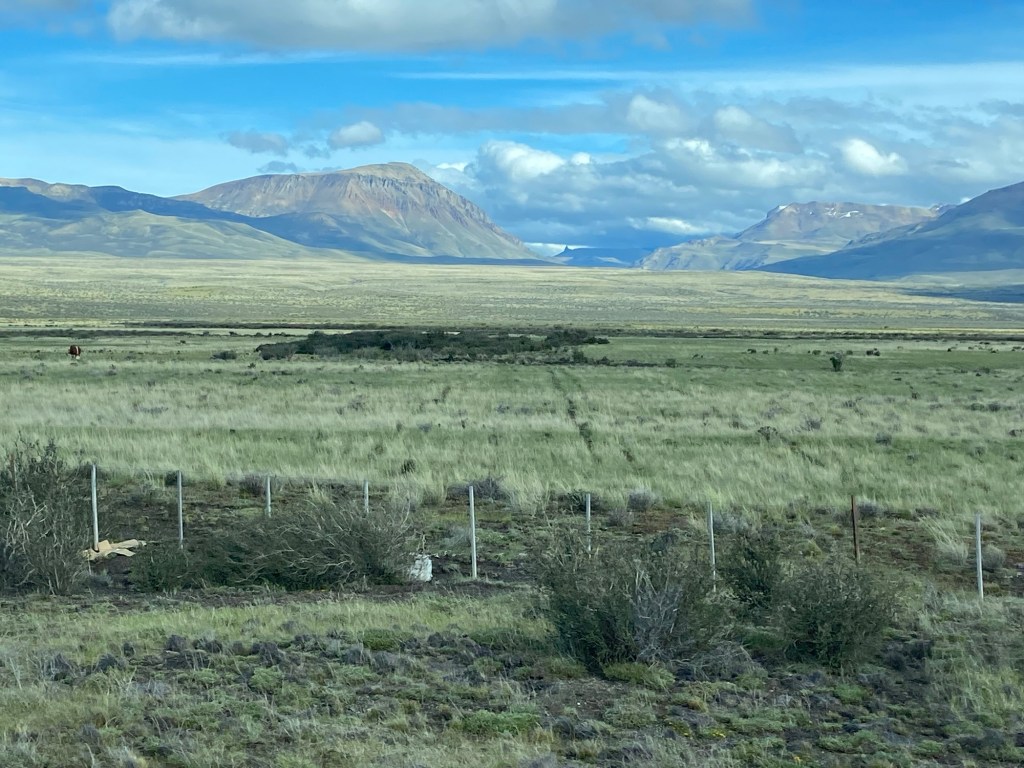
As we flew down over the barren, semi-arid steppe, it was almost as if we were looking out on a lunar landscape. On closer inspection though, the sand-coloured hue came from wispy, dry grass and the lunar rocks were in fact small shrubs, as well as the boulders of glacial moraine that cover the Patagonian desert.
This is gaucho country, and these cattle herders roam estancias (ranches) that cover vast areas. On the flight down, I started reading Bruce Chatwin’s celebrated “In Patagonia”, a collection of stories from his travels here in the 1970s. The wide sweep of the book includes: gauchos and estancias; Butch Cassidy and the Sundance Kid; Charles Darwin and dinosaur fossils; Welsh settlers and the Chubut Valley (north of here but which to this day echoes with the lilt of the Welsh language and male voice choirs).
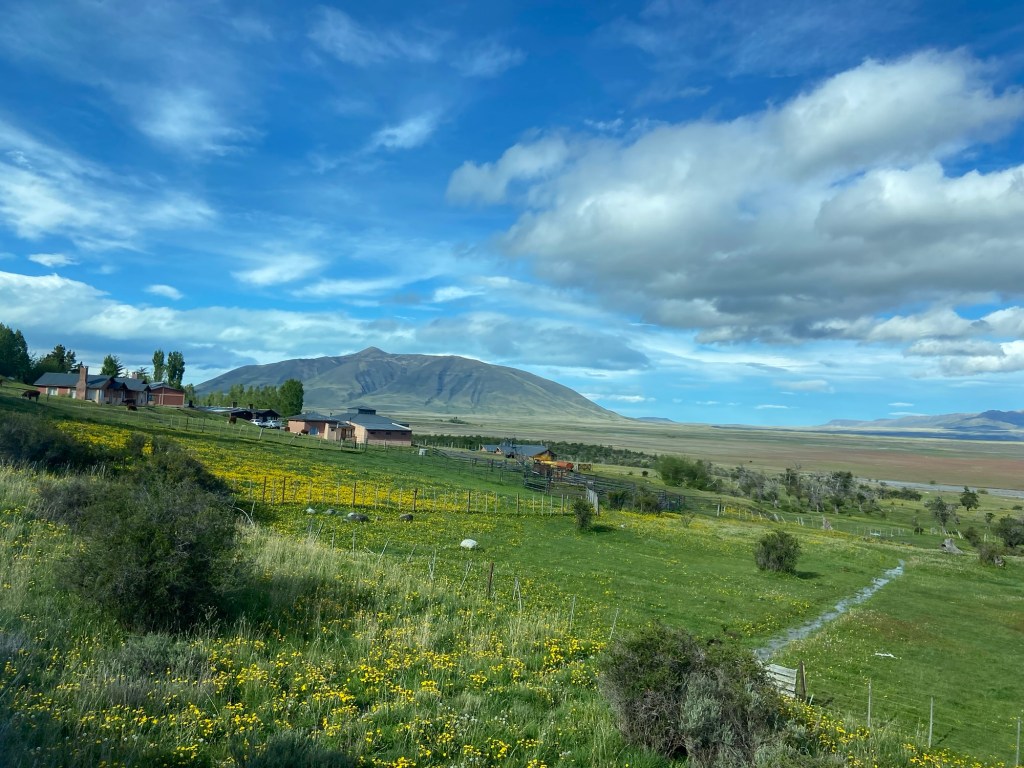
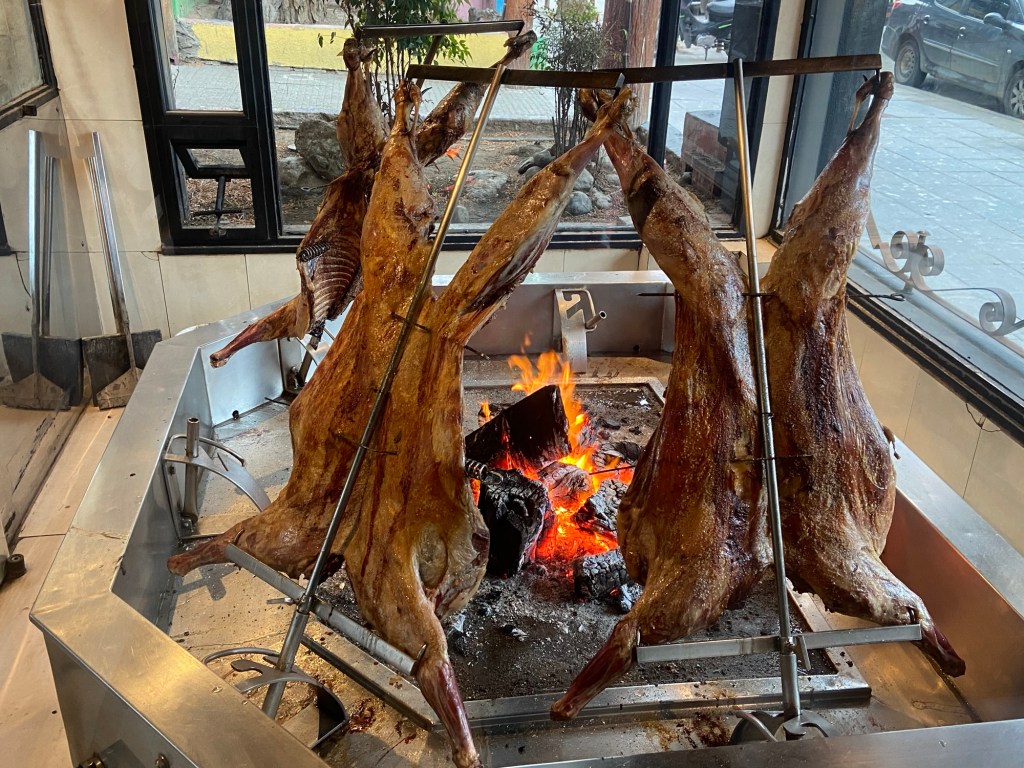
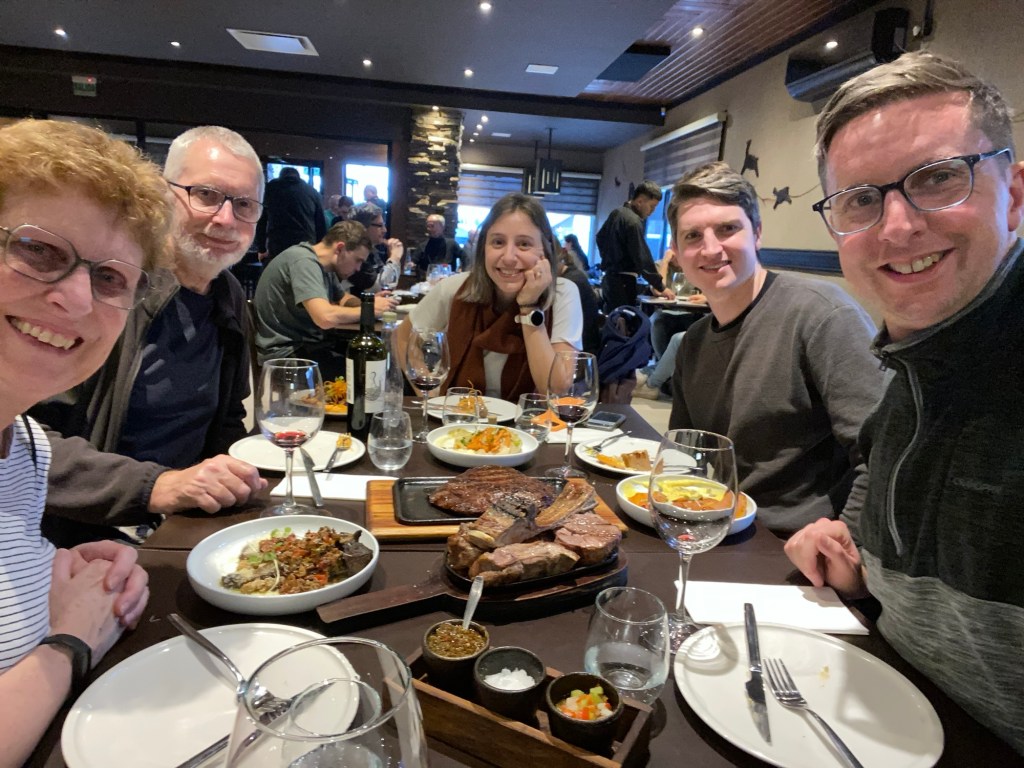
Around El Calafate, near the southernmost tip of the South American mainland and the town in which we are staying, there are at least as many sheep as cows. For our first meal here, the customary steak and Malbec were accompanied by the most deliciously tender lamb.
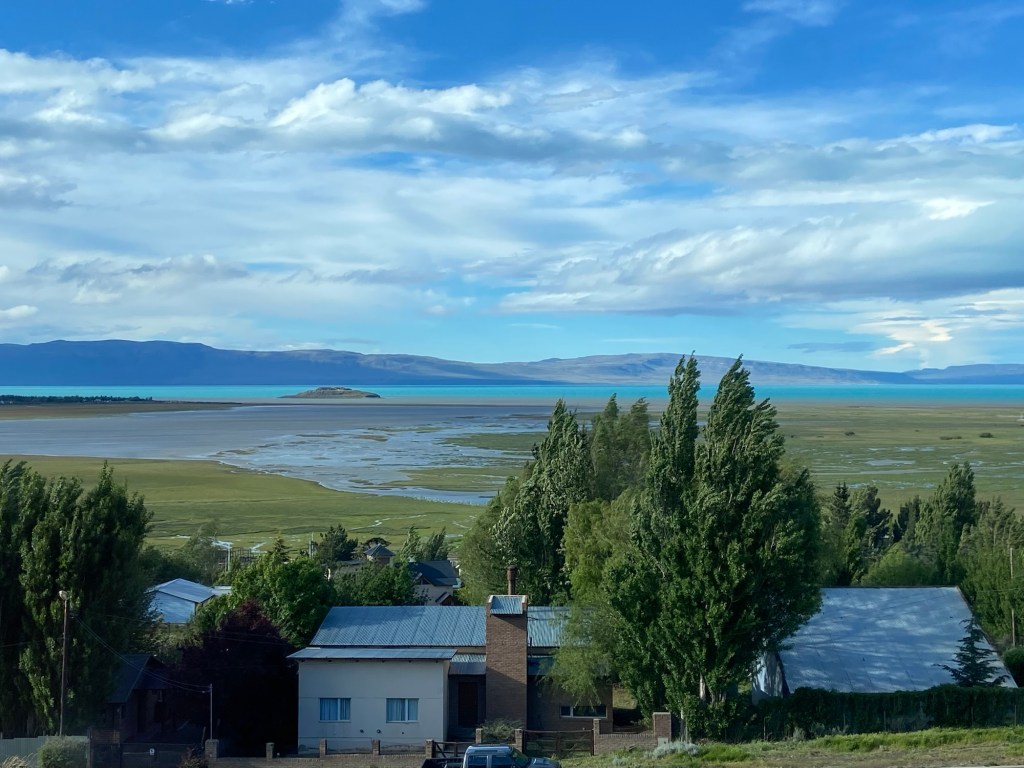
This is also the land of the glaciers, and the westernmost portion of Argentine Patagonia, which is in the Andes, contains part of the second largest non-polar ice field in the world (after Alaska). Lago Argentino, the largest freshwater lake in the country, can be seen from our hotel, and has a brilliant turquoise colour that comes from the glacial meltwater.

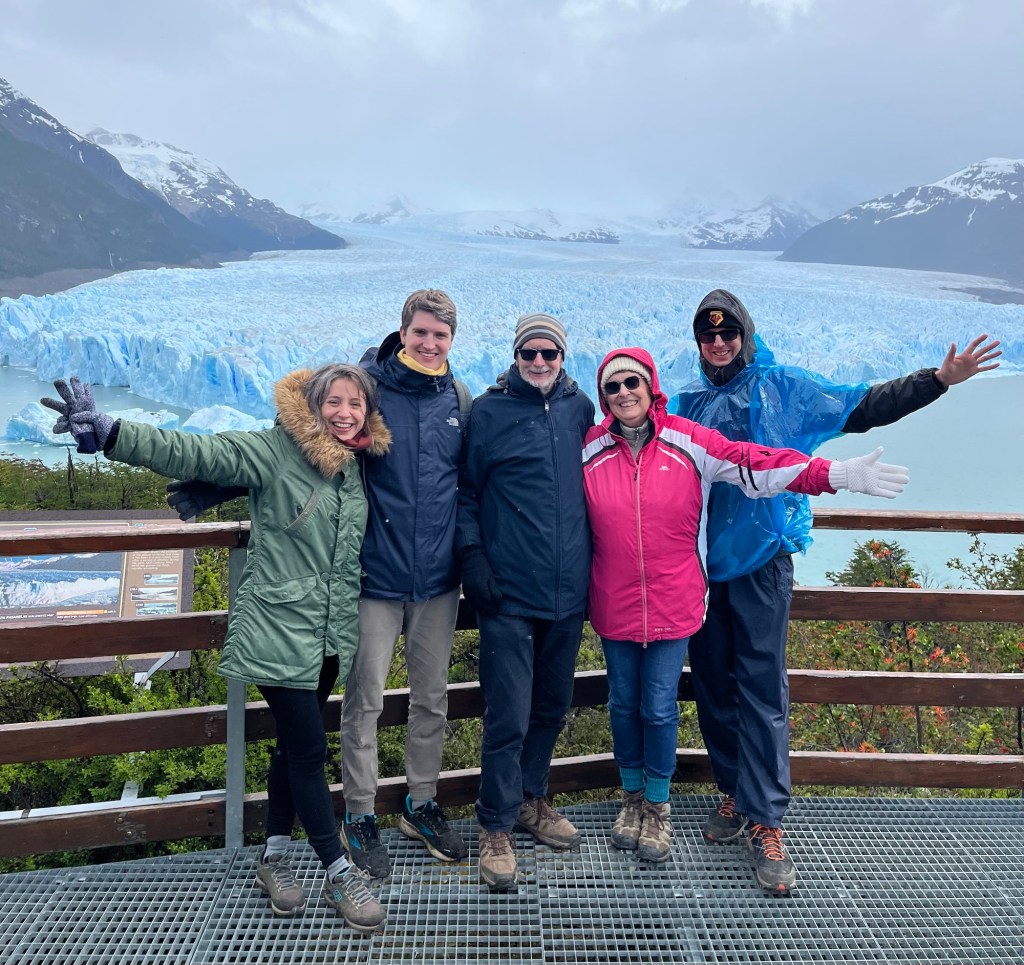
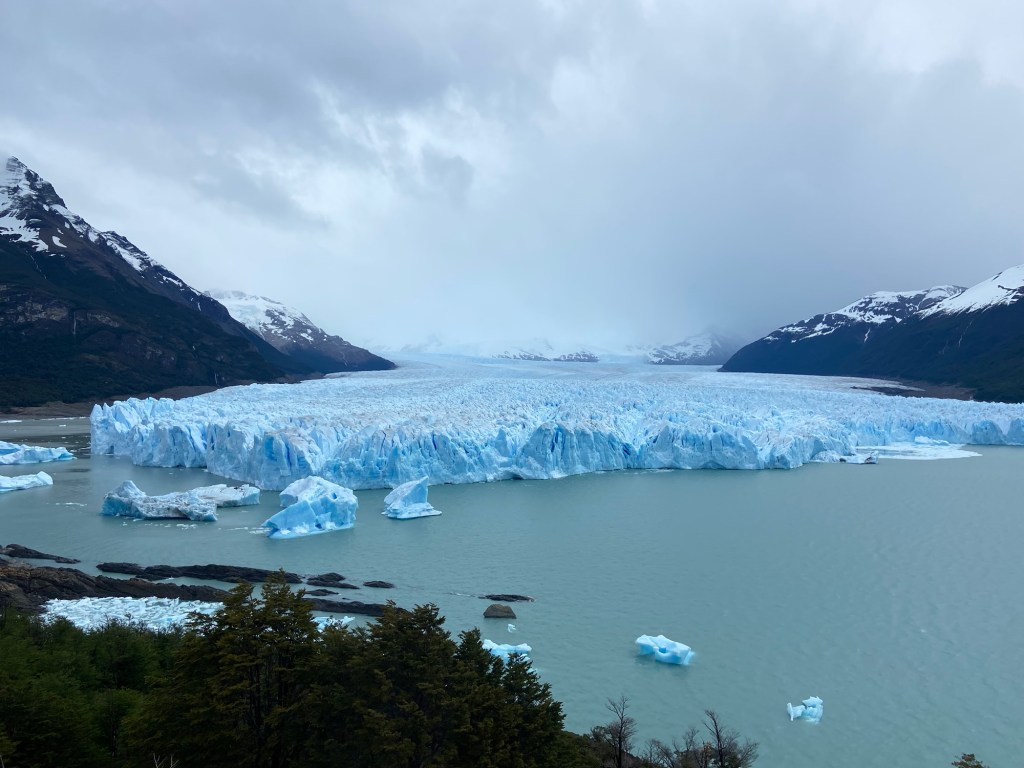
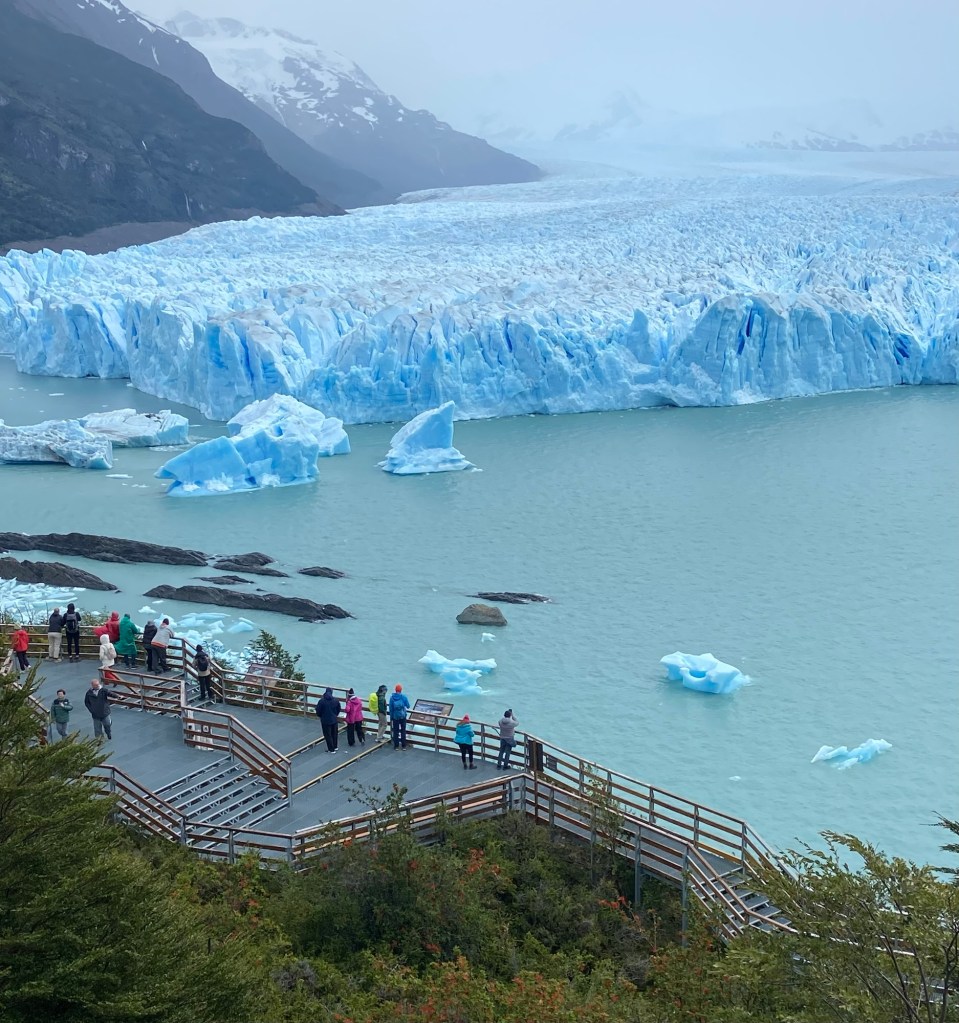
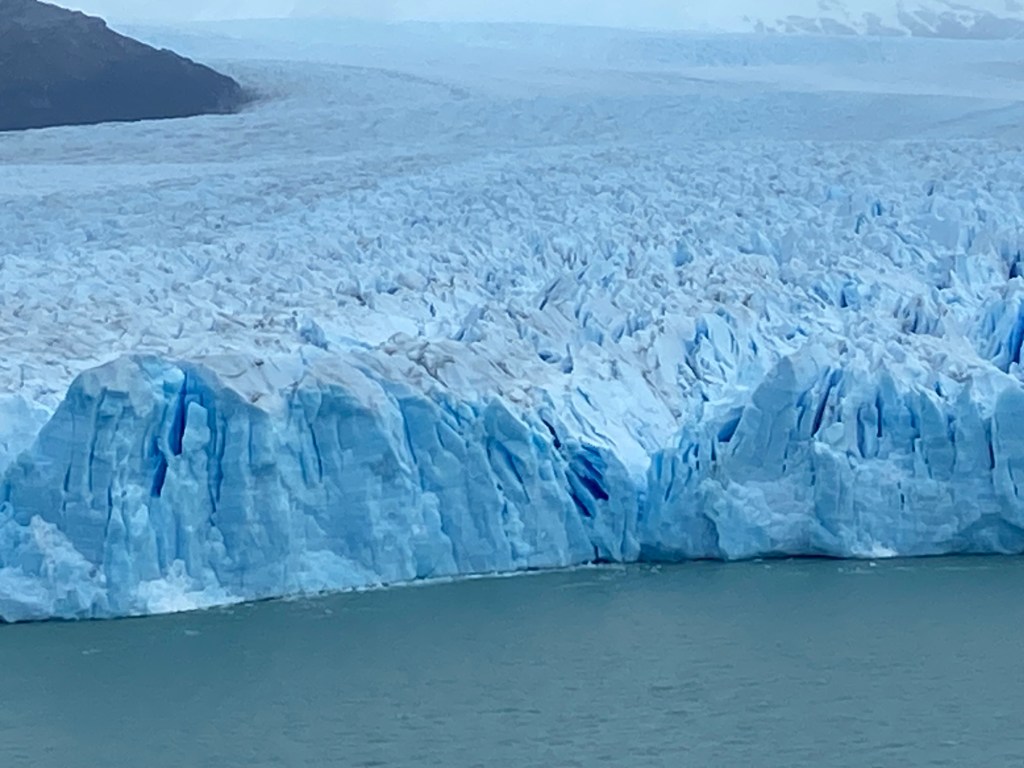
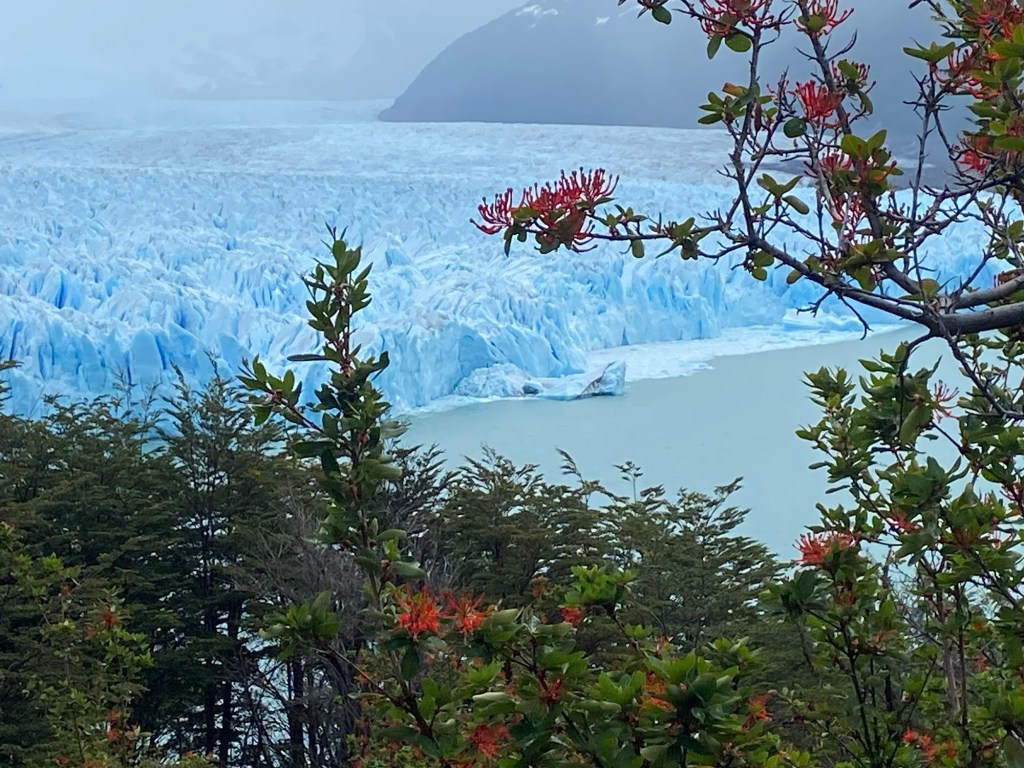
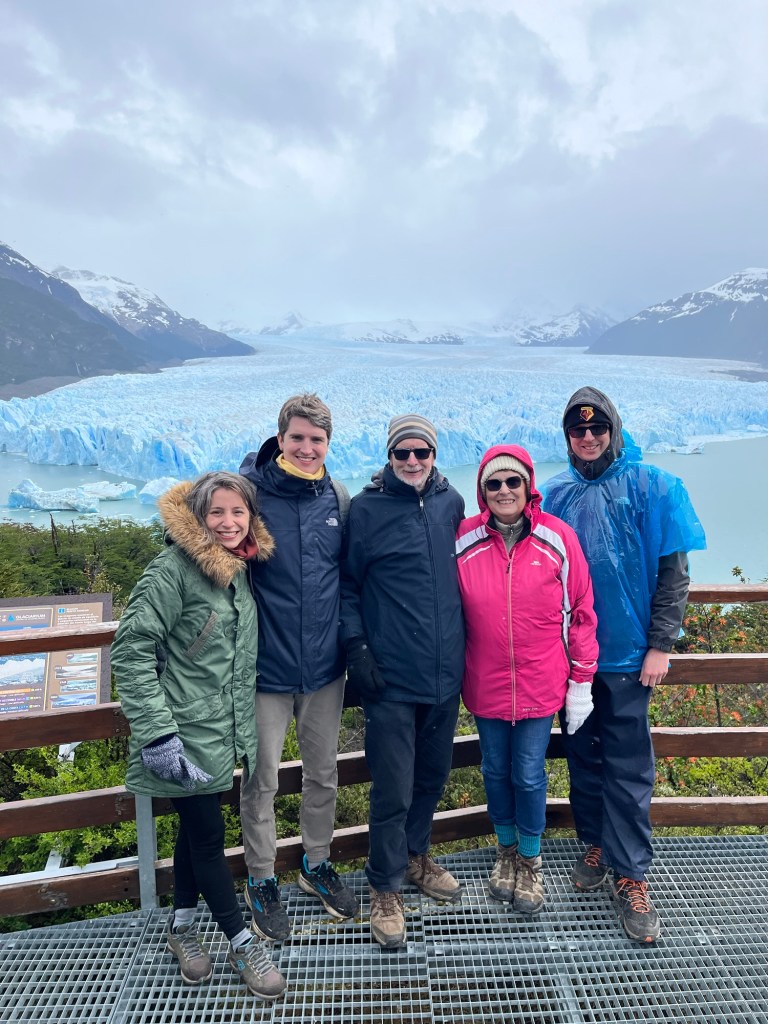
Today we took an excursion to the world-famous Perito Moreno glacier. The first sign of it was the icebergs in the lake that had “calved” from it. Until 2020, the glacier was stable but it is now receding, with ice breaking off it more quickly than new snow is being compacted in the ice field. We saw the dramatic calving first hand as we approached it by boat, coming up close to the 70m ice cliffs and imagining a further 170m of ice below the surface!
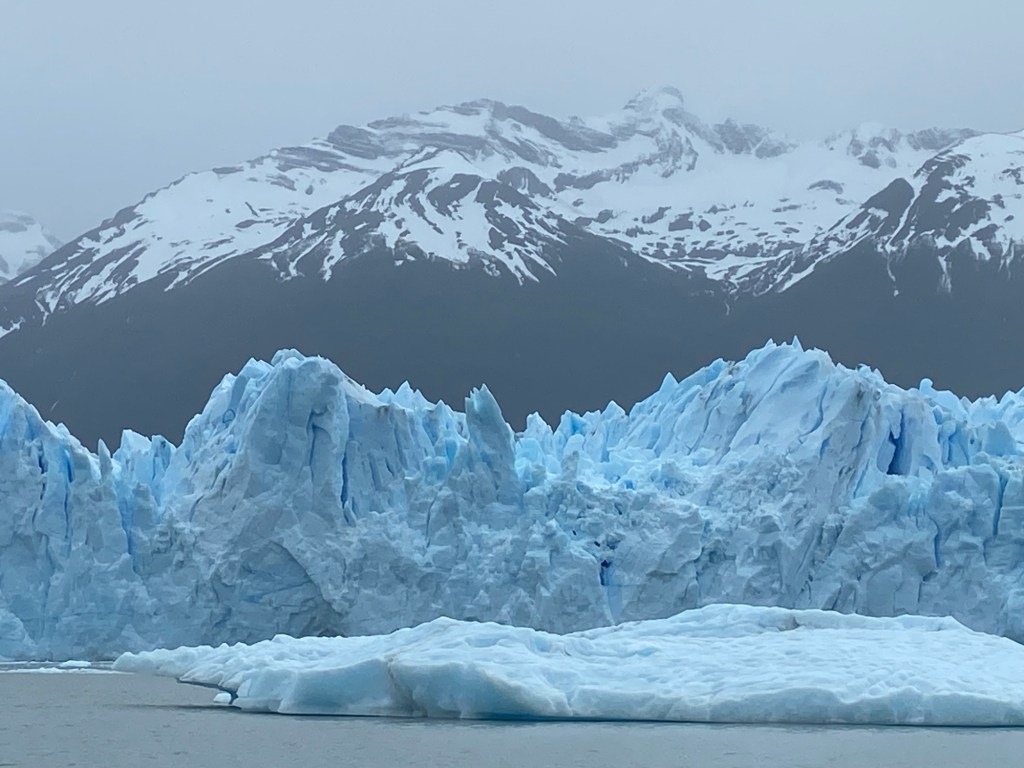
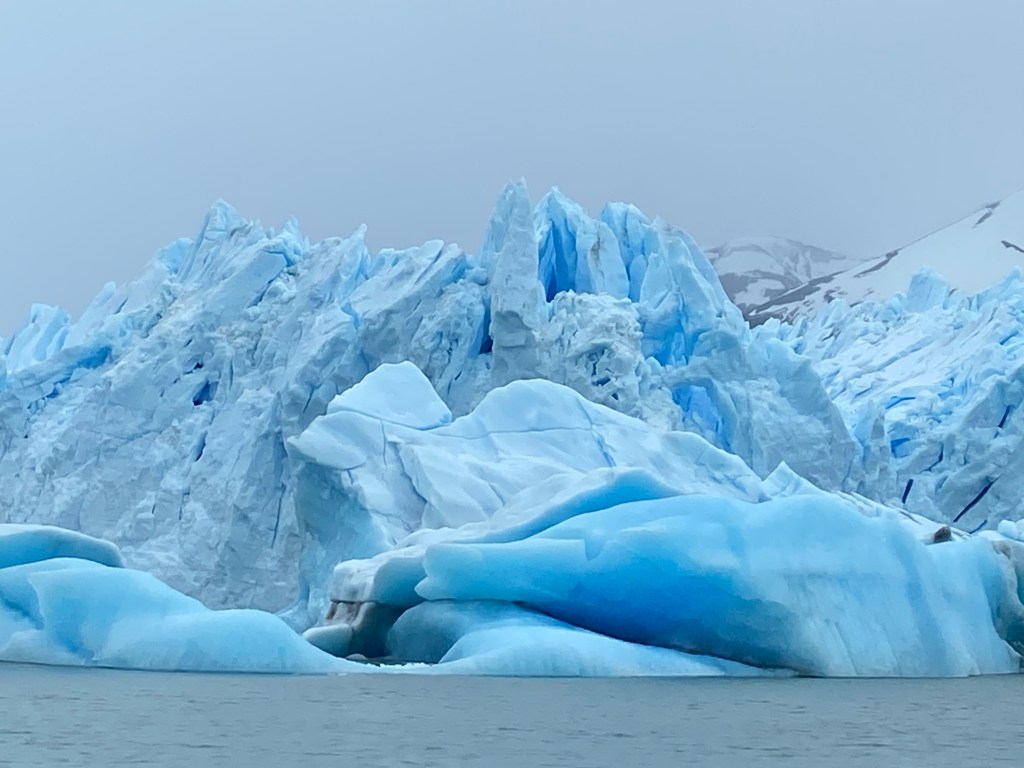
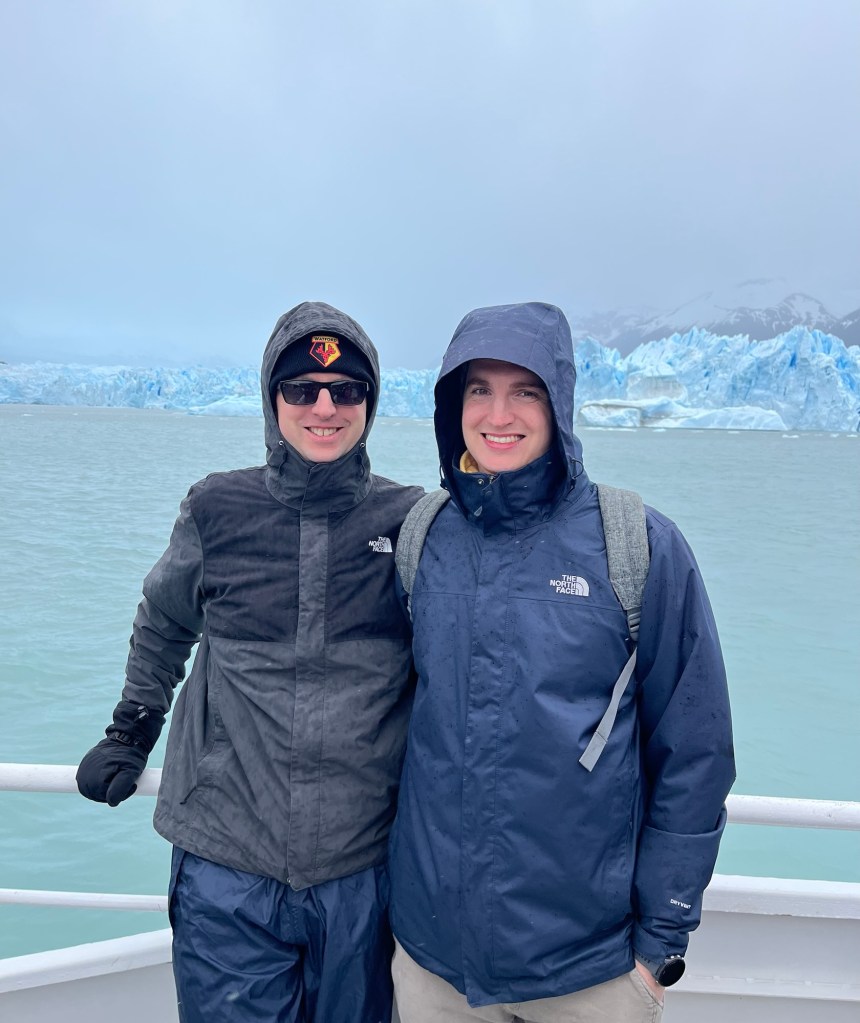
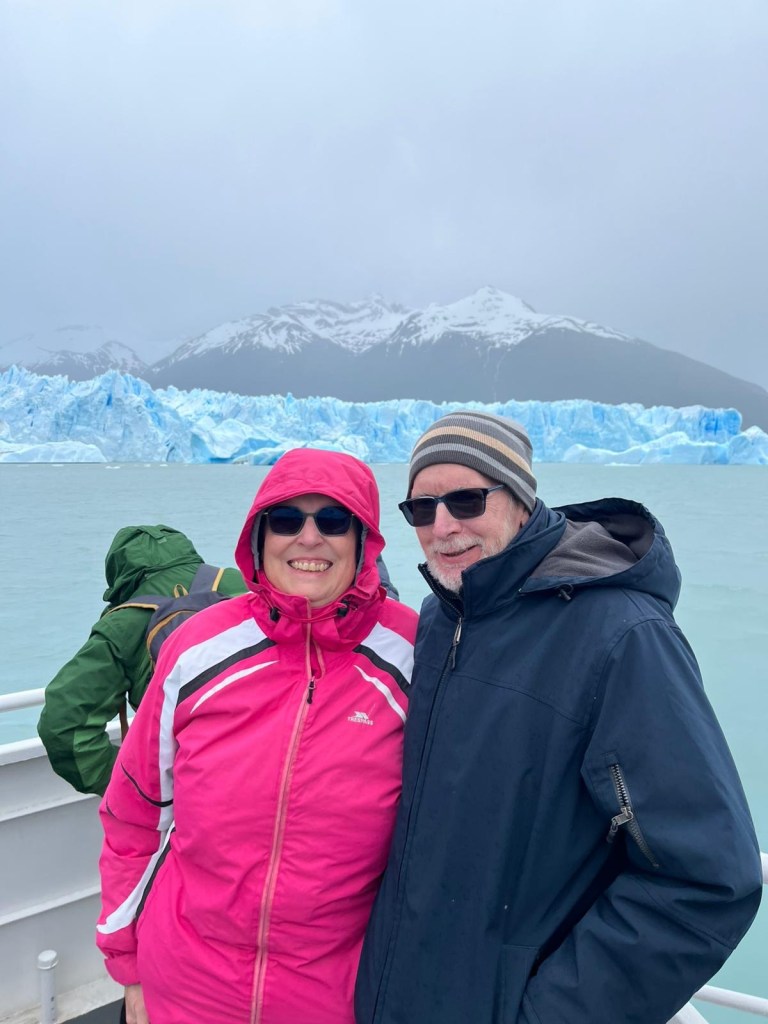
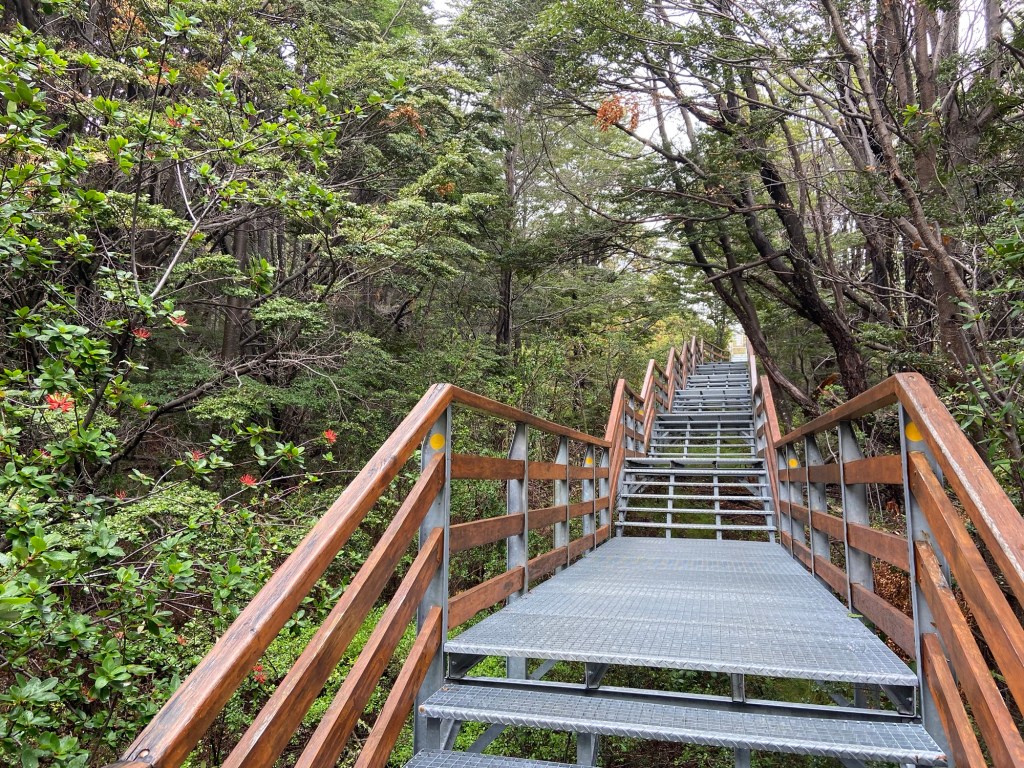
The glacier is 30km long and, on average, 5km wide, advancing at a glacial pace of up to 2m per day. It’s hard to get a sense of scale, but from the picturesque walkways on the hill, overlooking the glacier’s snout, we were left with an overwhelming sense of awe at its vastness.

 Around the World in 70 Days
Leave a comment